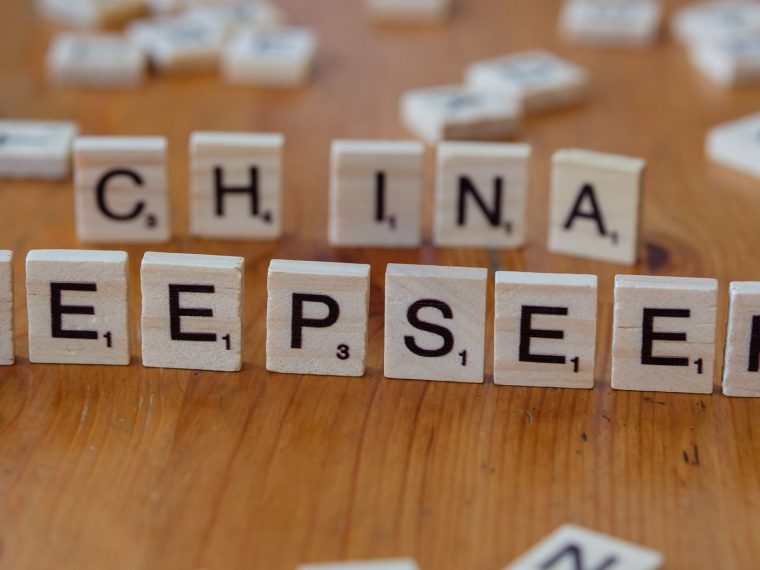
Chinese AI firms are facing scrutiny as they have published safety results for just 3.6% of model releases. This lack of transparency is alarming for stakeholders and users alike.
Overview of AI Safety Standards
The landscape of artificial intelligence is continually evolving, yet the safety standards adhered to by Chinese AI firms have come under scrutiny. Recent reports indicate that these companies have published safety results for a mere 3.6% of their model releases, raising concerns about accountability and transparency in AI development.
AI safety is crucial for ensuring that models operate within ethical boundaries and mitigate potential risks. The lack of comprehensive safety evaluations can lead to unintended consequences, including biased outcomes and privacy violations. In light of this, several key factors should be considered regarding AI safety standards:
- Transparency: Firms must openly share safety assessments to build trust among users and stakeholders.
- Regulatory Compliance: Adhering to national and international safety regulations is essential for fostering a responsible AI ecosystem.
- Continuous Monitoring: Ongoing evaluation and updates of AI models are necessary to address emerging threats and vulnerabilities.
- Collaboration: Engaging with independent researchers can provide unbiased insights into safety practices.
As the demand for AI technology grows, it is imperative for Chinese AI firms to prioritize safety and establish rigorous standards to ensure the responsible use of their models.
Implications of Low Transparency
The low transparency exhibited by Chinese AI firms raises significant concerns regarding the safety and reliability of their models. With only 3.6% of model releases accompanied by published safety results, it becomes increasingly difficult for stakeholders to assess the potential risks associated with these technologies.
This lack of transparency not only undermines trust among consumers but also poses challenges for regulatory bodies aiming to establish robust safety standards. Without comprehensive data, it is difficult to ensure that AI systems are developed and deployed in a manner that prioritizes safety.
The implications extend beyond immediate safety concerns; they also affect the international competitiveness of Chinese AI firms. As global entities push for higher safety and ethical standards in AI development, the insufficient reporting from these firms may hinder their ability to collaborate with partners in more regulated markets.
Moreover, the difficulties in addressing safety issues can lead to potential legal ramifications and reputational damage for these companies. Ultimately, the lack of accountability in AI model safety could stifle innovation and create an environment where risks outweigh the benefits of advanced technologies.
Addressing these transparency issues is crucial for the future credibility of Chinese AI firms in the global marketplace.
Comparative Analysis with Global Firms
In a recent comparative analysis, Chinese AI firms have emerged with notably poor safety results when juxtaposed with their global counterparts. While international firms generally adhere to more stringent safety protocols and transparency measures, Chinese AI firms have published safety results for only 3.6% of their model releases. This stark contrast raises concerns about the reliability and accountability of these technologies.
Key differences were observed in various areas:
- Transparency: Global firms often disclose comprehensive safety evaluations, allowing for independent verification. In contrast, Chinese AI firms tend to provide limited information, impeding thorough assessments.
- Regulatory Compliance: Many international companies operate under strict regulatory frameworks that enforce safety checks. Chinese AI firms frequently navigate a less regulated environment, resulting in a lack of mandatory safety disclosures.
- Public Trust: The transparency of safety measures has a direct impact on the public’s trust. Global firms benefit from established reputations bolstered by proactive safety disclosures, whereas Chinese AI firms struggle to gain similar confidence.
These disparities highlight the urgent need for enhanced safety standards and accountability measures within the rapidly growing sector of AI development in China.
Future of AI Safety Regulations
The recent findings regarding Chinese AI firms raise significant questions about the future of AI safety regulations. As these companies published safety results for only 3.6% of their model releases, there is an urgent need for a reevaluation of existing regulatory frameworks.
Experts believe that stricter regulations could help ensure greater transparency and accountability in the development of AI technologies. The lack of comprehensive safety data from Chinese AI firms not only undermines public trust but also poses risks to users and society at large.
To address these challenges, potential measures could include:
- Mandatory Safety Reporting: Requiring AI firms to disclose safety results for all model releases could enhance transparency.
- Standardized Safety Metrics: Establishing common standards for evaluating AI safety would facilitate better comparisons between firms.
- International Collaboration: Encouraging cross-border cooperation in safety regulation could promote best practices and shared accountability.
In conclusion, the future of AI safety regulations will depend heavily on the willingness of Chinese AI firms to adopt more rigorous safety practices. As the demand for AI continues to grow, so too must the frameworks that govern its development and deployment.
Expert Opinions on AI Model Safety
Experts in artificial intelligence have expressed serious concerns regarding the recent safety results published by Chinese AI firms. According to various analysts, the alarming transparency issues highlight a critical gap in safety protocols that could pose risks not only within China but globally.
Dr. Emily Zhang, a leading AI researcher, emphasized the need for higher standards: “The low percentage of safety results disclosed by Chinese AI firms raises questions about the reliability of their models. Without transparency, we cannot ensure public safety or trust in these technologies.”
Similarly, Professor Michael Liu from a prominent tech university noted that “the failure to publish comprehensive safety evaluations is a significant oversight. It is essential for all AI developers, especially those in rapidly advancing markets like China, to adhere to strict safety regulations.”
Furthermore, Lisa Chen, a policy analyst, pointed out that “the implications of these findings may extend beyond just AI safety; they could affect international collaborations and trade in technology.” The consensus among experts is clear: without improvement in safety reporting, the innovation landscape could be hindered, and trust in AI systems could diminish, particularly those developed by Chinese AI firms.
Photo by Markus Winkler on Pexels
Read the original
The420.in · Chinese for Affirmative Action
Related stories
AI regulation consultation: Clear steps for a smart future · Sulfur release date: What is the best news so far? · Nintendo Switch 2 sales: What’s the Proven Impact?