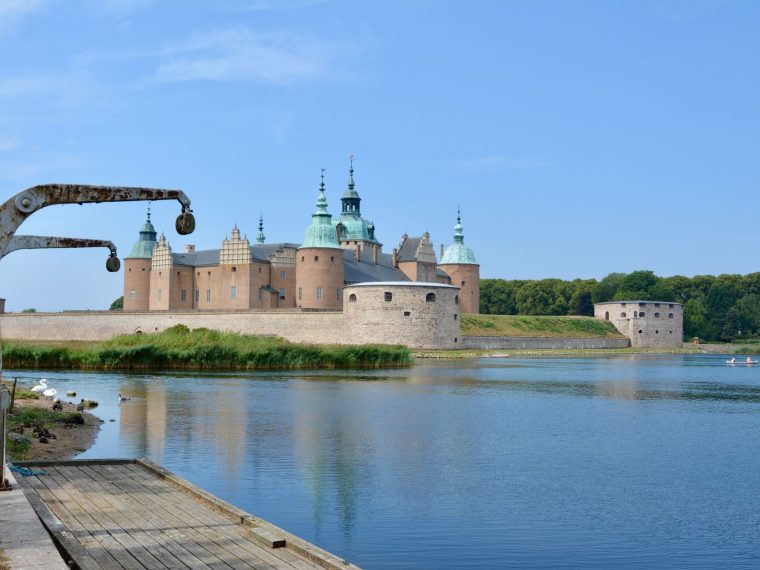
Medieval migration from Sweden has been traced using ancient DNA, shedding light on historical movements between Sweden and Finland. This groundbreaking research offers new perspectives on our understanding of human history in the region.
Understanding Ancient DNA
Recent studies on ancient DNA have provided profound insights into the patterns of medieval migration from Sweden to neighboring regions, particularly Finland. Researchers have uncovered genetic markers that reveal the movement of populations during the medieval period, highlighting the complex interactions between different groups.
The analysis of ancient remains has brought to light several key findings:
- Genetic Diversity: The DNA samples analyzed show a rich tapestry of genetic diversity, indicating that migration was not a singular event but rather a series of movements over time.
- Trade and Conflict: Evidence suggests that trade routes and conflicts played significant roles in facilitating these migrations, as individuals sought opportunities or refuge.
- Settlement Patterns: The locations of ancient settlements in Finland align with the genetic data, confirming that those who migrated contributed to the genetic makeup of the local population.
Furthermore, the research emphasizes the importance of ancient DNA in reconstructing historical narratives. By linking genetic evidence with archaeological findings, scientists can better understand how societal changes influenced migration patterns. This understanding not only enriches our knowledge of the past but also provides context for contemporary discussions about identity and heritage in the region.
The Significance of Migration Studies
The study of migration patterns during the medieval period is crucial for understanding the socio-cultural dynamics of ancient populations. In the context of medieval migration from Sweden, researchers have uncovered significant insights through the analysis of ancient DNA.
Migration studies have the potential to reveal:
- Population Movement: These studies help trace the routes and reasons for migration, shedding light on how communities interacted and evolved over time.
- Genetic Diversity: Analyzing ancient DNA allows scientists to understand the genetic makeup of ancient populations, highlighting the impact of migration on genetic diversity.
- Cultural Exchange: Migration often leads to cultural exchange, influencing language, traditions, and social structures, which are essential for reconstructing historical narratives.
- Environmental Factors: Investigating the reasons behind migration can reveal how environmental changes, such as climate shifts, impacted population movements.
Recent findings regarding medieval migration from Sweden to Finland have provided a clearer picture of how these ancient peoples adapted to new environments and formed new communities. By delving into the genetic evidence left behind, researchers can piece together the intricate tapestry of human history and the enduring legacy of migration.
How DNA Traces Our Past
The study of ancient DNA has opened new avenues for understanding the complexities of medieval migration from Sweden. By analyzing genetic material extracted from archaeological sites, researchers can trace the movements of populations across regions, shedding light on their interactions and cultural exchanges. This genetic evidence provides a clearer picture of how communities evolved and adapted over time.
One of the most significant findings in this area is the genetic continuity observed between populations in Sweden and Finland during the medieval period. The analysis revealed a mix of genes that suggest a rich tapestry of migration and settlement patterns. This data not only highlights individual lineage but also indicates broader demographic shifts.
Moreover, the incorporation of ancient DNA into migration studies has transformed our understanding of social structures and the spread of diseases. By mapping genetic variants, researchers can pinpoint when and how certain traits or diseases were introduced to new populations. This has profound implications for historical narratives, as it challenges traditional views on isolation and cultural homogeneity.
As more ancient DNA is analyzed, we anticipate gaining further insights into the factors that drove medieval migration from Sweden, allowing us to appreciate the complexities of our shared past.
Sweden and Finland: A Historical Overview
The history of Sweden and Finland is intricately linked, particularly during the medieval period when significant migratory movements shaped both regions. The migration of people from Sweden to Finland is a testament to the interconnectedness of these two nations, as they shared cultural and economic ties.
Throughout the medieval era, various factors drove migration, including climate changes, resource availability, and the search for new arable land. The movement of populations was not merely a quest for survival but also a means of spreading ideas, technology, and trade practices.
In this context, the exploration of medieval migration from Sweden reveals how genetic and cultural exchanges occurred. Archaeological findings and ancient DNA analyses provide crucial insights into the demographics of the time, highlighting the diverse origins of settlers in Finland.
Key aspects of this historical migration include:
- Trade Connections: Merchants traveling between the two regions facilitated not just economic exchanges but also the movement of people.
- Political Alliances: Marriages and alliances often led to the migration of nobility and their entourages.
- Social Mobility: Opportunities for land ownership in Finland attracted Swedish families seeking a better life.
These factors altogether contributed to the rich tapestry of history shared by Sweden and Finland.
Key Findings from Recent Research
Recent research has unveiled crucial insights into the medieval migration from Sweden, shedding light on the patterns of human movement and settlement during this era. By analyzing ancient DNA extracted from archaeological remains, scientists have been able to trace genetic links between populations in Sweden and Finland.
The key findings highlight several important aspects:
- Genetic Continuity: The study found significant genetic continuity between medieval populations in Sweden and their Finnish counterparts, indicating that migration was not a one-time event but part of a longer process of interaction.
- Population Mixing: Evidence suggests that the movement of people led to a rich tapestry of genetic diversity, with distinct lineages emerging from the mingling of different groups.
- Geographical Patterns: The research identified specific routes taken by migrating populations, emphasizing the role of waterways and trade routes in facilitating these movements.
- Cultural Exchange: Alongside genetic findings, there is also an indication of cultural exchange, with artifacts and burial practices reflecting a blend of Swedish and Finnish traditions.
These findings not only deepen our understanding of medieval migration from Sweden but also contribute to the broader narrative of human history in Northern Europe.
Implications for Genetic Diversity
The recent findings regarding medieval migration from Sweden have profound implications for our understanding of genetic diversity in Northern Europe. As researchers analyze ancient DNA, they reveal a complex tapestry of human movement that has shaped contemporary populations.
One significant outcome of this research is the identification of genetic markers that can be traced back to medieval Swedish populations. These markers provide insights into how migration patterns influenced the genetic makeup of modern inhabitants in neighboring regions, particularly Finland. The intermingling of genes from various groups highlights the dynamic nature of human populations during the medieval period.
Furthermore, this study underscores the importance of migration in fostering genetic diversity. By mapping the flow of populations, scientists can better appreciate the resilience and adaptability of human beings in the face of changing environments and social structures. The findings also suggest that migration was not merely a one-way process; instead, it involved a series of movements and exchanges between communities, enriching the genetic landscape.
As we continue to uncover the stories encoded in ancient DNA, the implications for our understanding of genetic diversity become increasingly clear. This knowledge not only enhances our comprehension of historical population dynamics but also informs contemporary discussions on genetics and heritage.
Future Directions in Migration Research
As research into medieval migration from Sweden continues to evolve, future directions in migration studies are becoming increasingly exciting. The integration of advanced genomic technologies promises to enhance our understanding of historical population movements and their impacts on modern genetic diversity.
One area of focus is the application of high-throughput sequencing techniques, which allow for more detailed analysis of ancient genomes. This could lead to the discovery of previously unknown migration patterns and demographic changes. Additionally, interdisciplinary collaborations between geneticists, archaeologists, and historians are likely to yield richer insights into the socio-cultural contexts of ancient populations.
Another promising direction involves the study of migration’s effects on contemporary populations. By tracing genetic markers linked to medieval migrations, researchers can investigate how these historical events have shaped current health trends and susceptibilities in Scandinavian populations.
Furthermore, expanding the geographical scope of studies to include neighboring regions may uncover broader patterns of migration and interaction among ancient peoples. This holistic approach could reveal the interconnectedness of populations across the Baltic Sea and beyond.
Ultimately, ongoing research will not only illuminate the complexities of medieval migration from Sweden but also contribute to a deeper understanding of human history and the factors that drive population dynamics over time.
Recent studies have provided compelling evidence regarding medieval migration from Sweden, revealing the genetic connections between Scandinavian populations and their European counterparts. These insights into medieval migration from Sweden shed light on the broader patterns of human movement during the Middle Ages.
Photo by wim de mont on Pexels
Where this came from
Related reading
Summer Days Remaster: Best Proven Features You’ll Love · Gemini app for Windows: The Best AI Tool for Productivity · Metroid Ravenous Switch 2: The Best Proven Release Date