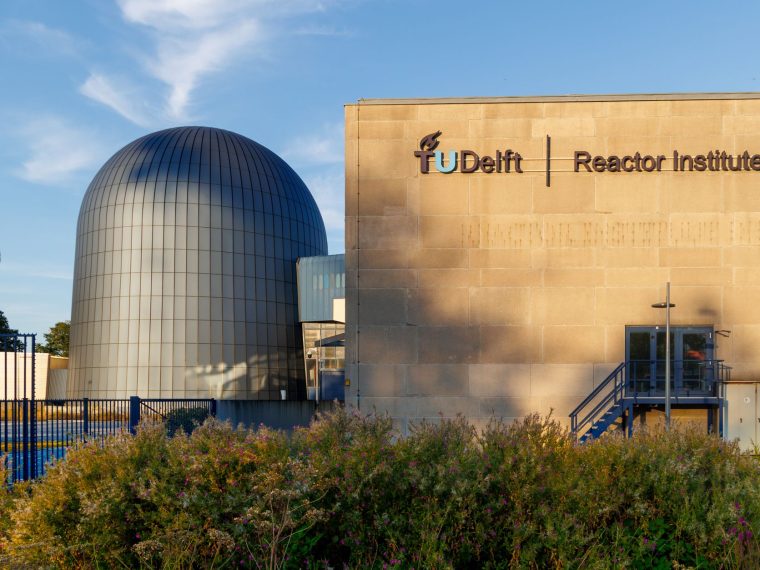
Syrian reactor nuclear weapons configurations have raised alarms, with the IAEA chief confirming that the Assad-era reactor was designed for nuclear armament.
Understanding the Syrian Reactor
The recent statements from the International Atomic Energy Agency (IAEA) have brought renewed attention to the controversial Syrian reactor, which was reportedly configured for nuclear weapons development during the Assad regime. This revelation raises significant concerns about nuclear proliferation in the region.
The Syrian reactor, located near the city of Deir ez-Zor, was built with assistance from North Korea and was shrouded in secrecy. The IAEA’s findings suggest that the reactor was not solely intended for peaceful purposes, as initially claimed by the Syrian government. Instead, it appears that the reactor was designed to produce plutonium, a key component for nuclear weapons.
In light of these developments, it is crucial to understand the implications of pursuing nuclear capabilities. The potential for nuclear weapons in Syria could destabilize an already volatile region and spark an arms race among neighboring countries. The international community must address these threats to ensure global security.
Key points regarding the Syrian reactor’s implications include:
- Proliferation Risks: The reactor’s configuration raises alarms about the spread of nuclear technology.
- Regional Stability: Neighboring states may feel compelled to enhance their own military capabilities.
- Diplomatic Challenges: Engaging with Syria on nuclear issues remains complex and fraught with difficulties.
Ultimately, the path toward nuclear weapons in Syria represents a dangerous trajectory that must be addressed through international cooperation and dialogue.
IAEA’s Findings on Nuclear Weapons
The International Atomic Energy Agency (IAEA) has recently released a report highlighting its findings on the Syrian reactor, raising serious concerns regarding its potential role in the development of nuclear weapons. According to IAEA Director General Rafael Grossi, the reactor, which was bombed by Israel in 2007, was configured specifically to produce plutonium, a vital component for nuclear arms.
Grossi emphasized the implications of these findings, stating that the reactor was not only intended for peaceful purposes but was also designed with the capability to support a nuclear weapons program. This revelation aligns with suspicions that the Syrian government has long sought to develop a nuclear arsenal.
Key points from the IAEA’s findings include:
- Design Characteristics: The reactor’s design was tailored for plutonium production, which is essential for creating nuclear weapons.
- Lack of Transparency: Syria’s failure to declare the reactor and its activities raised red flags regarding its intentions.
- Regional Security Concerns: The existence of a nuclear-capable reactor in Syria poses risks to stability in the Middle East.
As the IAEA continues its investigations, the findings underscore the urgent need for international oversight in nuclear proliferation. The situation surrounding the Syrian reactor highlights the wrong path to power that could threaten not only regional but global security, as the pursuit of nuclear weapons remains a contentious issue.
Implications of Nuclear Proliferation
The implications of nuclear proliferation are profound and far-reaching, especially in the context of the Syrian reactor nuclear weapons capabilities. With the International Atomic Energy Agency (IAEA) highlighting the reactor’s design for potential weaponization, the threat of a nuclear-armed Syria raises significant concerns for regional and global security.
Experts warn that the existence of such a reactor could lead to:
- Increased Tensions: Neighboring countries may feel compelled to enhance their military capabilities in response to the perceived threat, escalating an already volatile situation in the Middle East.
- Arms Race: The development of nuclear weapons in Syria could trigger an arms race, prompting other nations in the region to pursue similar capabilities, further destabilizing the area.
- International Relations: Countries may face pressure to reassess their diplomatic relations with Syria, leading to isolation or increased sanctions that can affect humanitarian efforts.
- Global Safety Risks: The proliferation of nuclear weapons can lead to the potential for these materials to fall into the hands of non-state actors or terrorist organizations, posing a significant threat to global security.
As the situation unfolds, the international community must address the implications of the Syrian reactor nuclear weapons capabilities to prevent a future marked by conflict and instability.
The History of Syria’s Nuclear Program
The history of Syria’s nuclear program dates back several decades, marked by secrecy and international concern. The Syrian government, particularly under the leadership of President Bashar al-Assad, invested in developing a nuclear reactor that was later discovered to be configured for nuclear weapons.
In 2007, Israeli airstrikes targeted a facility in the Deir ez-Zor region, which was suspected of being a nuclear reactor. This event raised alarm bells within the international community and prompted investigations by the International Atomic Energy Agency (IAEA). The IAEA found that the reactor was not only intended for peaceful purposes but also had the potential to produce fissile material suitable for nuclear weapons.
For years, Syria denied any wrongdoing, claiming its nuclear ambitions were solely for energy purposes. However, the IAEA’s findings suggested otherwise, highlighting the risks of nuclear proliferation in a volatile region. The implications of a Syrian reactor configured for nuclear weapons extend beyond its borders, threatening regional stability and encouraging other nations to pursue similar paths.
As discussions around nuclear non-proliferation continue, the case of Syria serves as a stark reminder of the challenges faced by the international community in preventing the spread of nuclear weapons. The quest for power through nuclear means ultimately poses significant risks to global security.
International Response to Syria’s Reactor
The international response to the revelation of the Syrian reactor’s ability to potentially facilitate the development of nuclear weapons has been mixed and contentious. Following the International Atomic Energy Agency’s (IAEA) findings, several countries expressed deep concerns regarding the implications of Syria’s nuclear ambitions.
Key reactions included:
- The United States: The U.S. government condemned Syria’s actions, emphasizing the need for strict adherence to non-proliferation treaties and calling for increased diplomatic pressure on the Assad regime.
- European Union: The EU reacted by reinforcing sanctions against Syria, aiming to limit its access to materials that could assist in the development of nuclear weapons.
- Russia: In contrast, Russia defended Syria’s right to pursue nuclear energy for peaceful purposes, arguing that the IAEA’s findings should not be used to justify military action or further isolation of the regime.
Meanwhile, regional powers also voiced their concerns. Neighboring countries in the Middle East, particularly those with historical tensions with Syria, expressed fears that nuclear proliferation could destabilize the already volatile region.
As the world grapples with the implications of the Syrian reactor’s capabilities, experts warn that any missteps in addressing this situation could lead to severe consequences for global security and the fragile balance of power in the Middle East.
The pursuit of Syrian reactor nuclear weapons has raised significant concerns among the international community. Many experts argue that this path could lead to destabilization in an already volatile region.
Photo by Igor Passchier on Pexels
Where this came from
AYUSH PG Entrance Test 2026: Quick Guide to Provisional Key · riedell skates – Trusted Riedell Skates for Comfort and Precision · From Stressed to Supported: How Forward-Thinking Employers Are Redefining the Workplace
