WordPress critical flaw has been patched, addressing a serious vulnerability that could allow code execution on certain servers. This update is crucial for maintaining security and integrity.
Understanding the WordPress Critical Flaw
The recent discovery of a WordPress critical flaw has raised alarms among website administrators and developers. This vulnerability, if exploited, could allow unauthorized users to execute malicious code on affected servers, potentially leading to significant data breaches and system compromise.
The flaw primarily affects a wide range of WordPress installations, making it imperative for users to take immediate action. The WordPress development team has responded promptly by issuing a proven patch aimed at securing vulnerable systems. This update addresses the underlying issues that could be manipulated by attackers, ensuring the integrity and security of WordPress sites.
In understanding the implications of this flaw, it’s essential to recognize the following points:
- Widespread Impact: Many popular themes and plugins may be affected, increasing the urgency for updates.
- Potential Exploitation: Cybercriminals often target known vulnerabilities, highlighting the need for immediate patch application.
- Community Response: The WordPress community has rallied together, sharing best practices and solutions to mitigate risks.
Website owners are encouraged to check their current versions of WordPress and implement the latest security updates as soon as possible. This proactive approach will help safeguard their sites against the risks posed by this critical flaw.
Impact on Server Security
The recent discovery of a WordPress critical flaw has raised significant concerns regarding the security of numerous servers globally. This vulnerability, if left unaddressed, could allow malicious actors to execute arbitrary code on affected systems, potentially leading to unauthorized access and data breaches.
As website owners and administrators grapple with the implications of this flaw, it is crucial to understand its potential impact on server security. The following points highlight some of the key risks associated with this vulnerability:
- Unauthorized Access: Attackers could exploit the flaw to gain control over server resources, allowing them to manipulate content and access sensitive data.
- Data Breaches: The ability to execute code remotely increases the risk of data theft, putting both user information and business integrity at risk.
- Service Disruption: Exploitation of the flaw may lead to service outages, affecting website availability and user experience.
- Reputation Damage: Websites suffering from an attack due to this vulnerability may face long-term reputational harm, causing loss of customer trust.
To mitigate these risks, it is imperative for server administrators to apply the recently released patch, ensuring that their WordPress installations are secure against this critical flaw. Timely updates are essential to maintaining robust server security.
How to Apply the Latest Patch
To safeguard your website against the recently identified WordPress critical flaw, it is essential to apply the latest patch promptly. Follow these steps to ensure your server is secure:
- Backup Your Website: Before making any changes, create a complete backup of your website files and database. This ensures that you can restore your site if anything goes wrong during the update process.
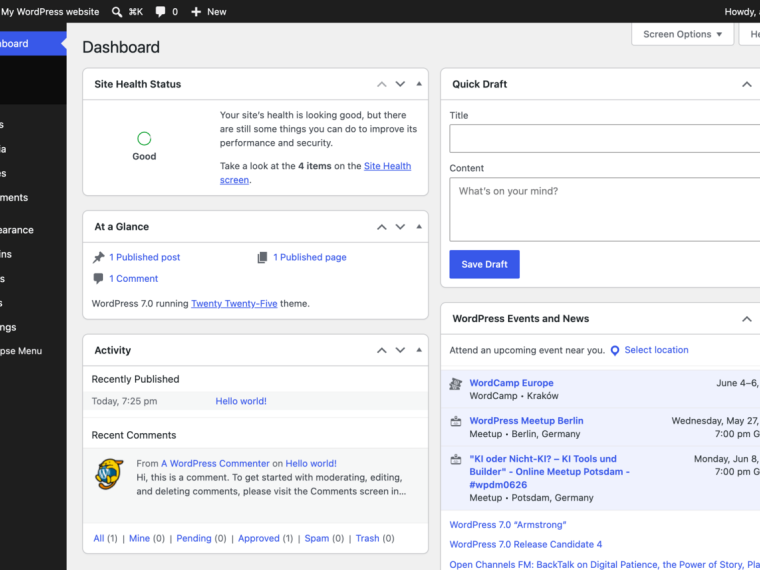
- Log into Your WordPress Dashboard: Access your WordPress admin area by entering your credentials. Navigate to the dashboard where you can manage updates.
- Check for Updates: Go to the “Updates” section on the left sidebar. Here, you will see notifications for available updates, including the necessary patch for the critical flaw.
- Update WordPress Core: If an update for WordPress is available, click the “Update Now” button. This will automatically install the latest version along with the patch addressing the security vulnerability.
- Verify Plugin and Theme Updates: After updating the core, check for updates for your plugins and themes. Ensure they are also updated to mitigate any potential security risks.
- Test Your Website: Once the updates are complete, thoroughly test your website to confirm that it is functioning correctly. Check for any broken links or issues.
Regular updates are crucial for maintaining a secure WordPress site, so enable automatic updates to reduce the risk of future vulnerabilities.
Common Vulnerabilities in WordPress
The recent discovery of a WordPress critical flaw has raised significant concerns among website administrators. This vulnerability, if left unaddressed, can expose servers to various attacks that could lead to unauthorized access and potential data breaches. Understanding common vulnerabilities within WordPress is essential for maintaining the security of web applications.
Several common vulnerabilities can be exploited by malicious actors:
- SQL Injection: This occurs when an attacker manipulates input fields to execute arbitrary SQL commands, potentially exposing sensitive data.
- Cross-Site Scripting (XSS): Attackers can inject malicious scripts into web pages viewed by other users, compromising their data and accounts.
- File Inclusion Vulnerabilities: This allows attackers to include files from the server or external sources, which can lead to remote code execution.
- Insecure Plugins and Themes: Many vulnerabilities originate from poorly coded or outdated plugins and themes, making regular updates crucial.
Additionally, the reliance on third-party components can introduce new risks. It is vital for WordPress users to stay informed about potential threats and implement best practices for security. As highlighted, the recent WordPress critical flaw underlines the importance of patching systems promptly to safeguard against such vulnerabilities.
Best Practices for WordPress Security
As the digital landscape evolves, maintaining the security of your WordPress site is more crucial than ever. Following the recent news about the WordPress critical flaw, implementing best practices can significantly reduce the risk of exploitation.
- Regular Updates: Always ensure that your WordPress core, themes, and plugins are up to date. Updates often include vital security patches that protect against known vulnerabilities.
- Strong Passwords: Use complex passwords for all user accounts. Incorporating a mix of letters, numbers, and symbols can help prevent unauthorized access.
- Limit User Access: Only grant administrative privileges to users who absolutely need it. This limits the potential entry points for attackers.
- Security Plugins: Utilize reputable security plugins to monitor your site for suspicious activity and strengthen your defenses against potential threats.
- Regular Backups: Keep regular backups of your site. In the event of a security breach, having a backup can help restore your site quickly.
- Implement HTTPS: Securing your site with an SSL certificate ensures that data transmitted between your users and your site is encrypted, adding an extra layer of protection.
By adhering to these best practices, WordPress users can fortify their websites against potential threats and minimize the impact of any vulnerabilities, including those arising from the recent critical flaw.
User Reactions to the Update
Following the recent update addressing the WordPress critical flaw, user reactions have been mixed, reflecting a blend of relief and concern within the community. Many users expressed gratitude for the swift response from the WordPress development team, appreciating the timely patch that aims to enhance server security.
“It’s a relief to see how quickly they acted,” said one user on a popular forum. “We all know how crucial it is to keep our sites secure, and this update is a step in the right direction.” However, some users voiced frustration over the frequency of such vulnerabilities in the platform.
In response to the patch release, several users have taken to social media to share their experiences. Some have highlighted their proactive measures to update their systems promptly, while others have raised concerns about potential downtime during the installation process. A user noted, “I had to take my site offline during the update, which was inconvenient. I hope future updates can be less disruptive.”
Despite the challenges, many in the WordPress community remain optimistic. A poll conducted on a community website revealed that approximately 70% of respondents felt reassured by the patch, emphasizing the importance of maintaining vigilance against potential threats. As the digital landscape continues to evolve, the need for robust security measures remains paramount.
Future of WordPress Security
The recent discovery of a WordPress critical flaw has raised significant concerns within the web development community. As WordPress powers a substantial portion of websites globally, its security is paramount. The implications of such vulnerabilities extend beyond individual sites, affecting the entire ecosystem.
Looking ahead, the future of WordPress security hinges on several key factors:
- Proactive Development: Developers must prioritize security in their coding practices. This includes conducting regular code audits and employing secure coding methodologies.
- Community Awareness: Educating users about potential vulnerabilities can empower them to take necessary precautions. Resources, tutorials, and forums play a crucial role in disseminating this information.
- Regular Updates: Timely updates and patches are essential. As seen with the latest patch addressing the critical flaw, developers must remain vigilant and responsive to emerging threats.
- Enhanced Monitoring Tools: The integration of advanced monitoring and security plugins can help detect vulnerabilities before they are exploited.
As new threats emerge, collaboration among developers, users, and security experts will be vital in fortifying WordPress. By fostering a culture of security awareness and embracing best practices, the community can work together to mitigate risks and ensure the platform remains a reliable choice for website creation.
Conclusion and Next Steps
In conclusion, the recent WordPress critical flaw highlights the importance of timely updates and proactive security measures for website owners. The release of the proven patch is a significant step toward safeguarding servers from potential exploitation. As the digital landscape continues to evolve, vulnerabilities can emerge unexpectedly, making it essential for users to remain vigilant.
Moving forward, WordPress users are encouraged to:
- Implement the latest updates as soon as they become available to mitigate risks associated with critical flaws.
- Regularly back up website data to ensure swift recovery in case of security breaches or data loss.
- Monitor security advisories from WordPress and other reliable sources to stay informed about potential vulnerabilities.
- Utilize security plugins that offer real-time protection and automated scanning for known threats.
- Educate users and administrators on safe practices, including recognizing phishing attempts and using strong passwords.
By taking these proactive steps, WordPress users can enhance their security posture and reduce the likelihood of falling victim to cyberattacks. As the community rallies together to address the implications of the recent flaw, collaboration and awareness will be key in ensuring a secure environment for all WordPress sites.
The recent discovery of a WordPress critical flaw has raised concerns among website owners about potential security vulnerabilities. Fortunately, a proven patch released for servers addresses the WordPress critical flaw effectively, ensuring enhanced protection for users.
via Wikimedia Commons
Where this came from
Related stories
Claude Opus 5.5 Release: Best Proven Insights You Need · Giant New Crater Moon: Discover the Best Stunning Images · Rumour Engine news: The Latest Insights and Updates
