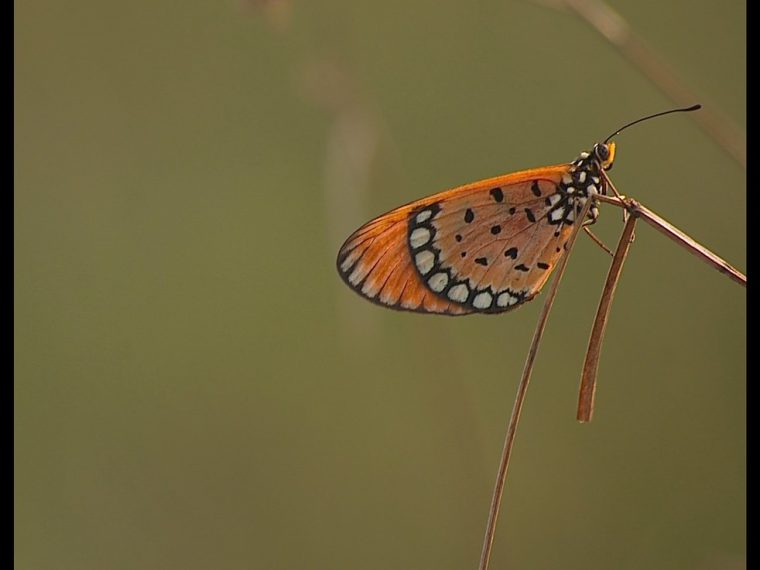
butterflies avoid predators through various fascinating strategies. These delicate creatures have evolved remarkable techniques to evade their natural enemies, ensuring their survival in the wild.
How Butterflies Avoid Predators
Butterflies have developed a range of fascinating strategies to avoid predators, ensuring their survival in the wild. These methods not only demonstrate their adaptability but also their ingenuity in the face of danger. Here are some key ways in which butterflies avoid predators:
- Mimicry: Many butterflies mimic the appearance of toxic species, deterring predators who have learned to associate certain colors and patterns with a bad taste.
- Camouflage: Some butterflies possess intricate wing patterns that blend seamlessly with their surroundings, making it difficult for predators to spot them.
- Flight Patterns: Erratic and unpredictable flight patterns confuse predators, increasing the chances of escape.
- Defensive Behaviors: When threatened, butterflies may engage in behaviors such as feigning injury or rapidly fluttering their wings to distract or startle potential attackers.
- Chemical Defenses: Certain species release unpleasant chemicals when threatened, making them less palatable to predators.
These remarkable adaptations illustrate how butterflies avoid predators, allowing them to thrive in diverse environments despite the constant threat from those who view them as a potential meal.
The Role of Camouflage in Survival
One of the most fascinating aspects of how butterflies avoid predators is their remarkable ability to blend into their surroundings. Camouflage plays a crucial role in their survival, allowing them to evade detection by potential threats. Many species have evolved to mimic the colors and patterns of leaves, flowers, or even tree bark, creating a form of visual deception.
Some butterflies, such as the Common Buckeye, possess eye-like patterns on their wings, which can startle and confuse predators. This strategy, known as deceptive coloration, gives butterflies a better chance to escape when they are approached. Additionally, many butterflies can change their resting posture to enhance their camouflage, making it difficult for predators to spot them.
Moreover, the use of natural habitats is vital. Butterflies often choose environments that match their coloration. This not only helps them hide from predators but also aids in their overall reproductive success. The combination of these adaptations showcases the intricate relationship between butterflies and their ecosystems, highlighting just how important camouflage is in the ongoing struggle for survival among these delicate creatures.
Unique Escape Mechanisms of Butterflies
Butterflies have developed unique escape mechanisms that enhance their chances of survival in the wild. These strategies are critical as butterflies avoid predators through various means that are both fascinating and effective.
- Flight Patterns: Many butterflies exhibit erratic flight patterns when threatened, making it difficult for predators to predict their movements. This unpredictability can confuse birds and other predators, allowing butterflies to escape.
- Startle Displays: Some species utilize sudden color changes or wing patterns to startle predators. When startled, a predator may lose its chance to capture the butterfly, giving it a vital opportunity to flee.
- Mimicry: Certain butterflies mimic the appearance of toxic or unpalatable species. This mimicry deters potential predators who have learned to associate specific colors or patterns with an unpleasant experience.
- Temperature Regulation: Butterflies can alter their body temperature to enhance flight efficiency. By warming up their muscles quickly in sunlight, they increase their chances of escaping when a predator approaches.
Through these innovative tactics, butterflies successfully navigate the threats they face in their environments, showcasing their remarkable evolutionary adaptations as they avoid predators.
The Importance of Butterflies in Ecosystems
Butterflies play a vital role in maintaining the health and balance of ecosystems. As pollinators, they contribute significantly to the reproduction of various flowering plants, which in turn supports other wildlife. Without these delicate creatures, many plants would struggle to thrive, leading to a cascade of effects on other species that depend on them for food and habitat.
Moreover, butterflies serve as indicators of environmental health. Their presence often signifies a balanced ecosystem, while their decline can indicate underlying issues such as habitat loss, climate change, or pollution. Protecting butterfly populations is essential not only for their survival but also for the overall well-being of ecosystems.
In addition to their ecological importance, butterflies exhibit fascinating behaviors that allow them to avoid predators. These strategies enhance their chances of survival, showcasing their adaptability in the face of threats. By understanding how butterflies avoid predators, we can better appreciate their role in the environment and advocate for their conservation.
As we work to protect these remarkable insects, we also safeguard the intricate web of life that relies on their presence and contributions in our ecosystems.
One of the most fascinating ways that butterflies avoid predators is through their vibrant coloration, which can signal toxicity to potential threats. Additionally, many species have developed unique flight patterns that enhance their ability to evade capture, demonstrating how butterflies avoid predators in their natural habitats.
By Ajith (അജിത്ത്) via Openverse