
 King
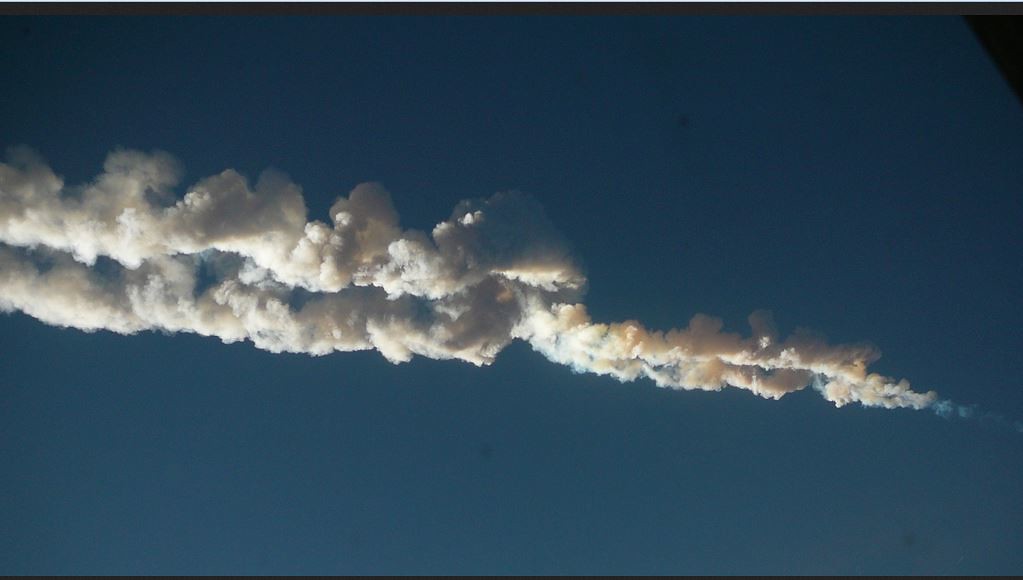
Meteor streaking across sky was a spectacular sight for many in Southern California. Eyewitnesses reported a bright flash illuminating the night sky, sparking excitement and curiosity.
What Caused the Meteor Streak?
The recent meteor streaking across the sky in Southern California has captivated the attention of many. This celestial event is the result of a small fragment of a comet or asteroid entering the Earth’s atmosphere at high speeds. As these particles travel through space, they encounter resistance from the atmosphere, causing them to heat up and emit light.
There are several factors that contribute to the visibility of a meteor:
- Size: Larger meteors tend to create more spectacular displays.
- Speed: The faster the meteor, the brighter and more dramatic its streak.
- Atmospheric Conditions: Clear skies enhance visibility and allow observers to fully appreciate the event.
Such occurrences remind us of the dynamic nature of our universe and offer a thrilling experience for stargazers and casual observers alike.
Eyewitness Accounts of the Event
Eyewitnesses across Southern California reported stunning views of the meteor streaking across the sky, creating a spectacle that captivated many. Residents from various cities took to social media to share their experiences and photographs of the event.
- Jane Doe from Los Angeles described the moment as “breathtaking,” stating, “It was like a fireball lighting up the night.”
- Mark Smith, who was hiking in the San Gabriel Mountains, mentioned, “I thought it was a plane at first, but then it vanished in a brilliant flash.”
- Emily Johnson watched from her backyard in San Diego and remarked, “I’ve never seen anything like it. The meteor streaking across the sky was unforgettable.”
These accounts highlight the awe and wonder felt by many as they witnessed nature’s stunning display, leaving a lasting impression on those fortunate enough to see it.
How to Spot Meteors in the Future
For those hoping to catch a glimpse of a meteor streaking across the sky in the future, there are several tips to enhance your chances. First, find a location away from city lights, as dark skies provide the best visibility for meteor showers.
Next, consider timing your observation during known meteor showers, such as the Perseids or Geminids, which occur annually. Keep an eye on astronomy calendars for specific peak dates and times.
Additionally, give your eyes time to adjust to the darkness; it can take up to 30 minutes. While waiting, relax and enjoy the night sky. Bring a blanket or reclining chair for comfort.
Lastly, be patient. Meteors can appear at any time, and sometimes they come in bursts. With persistence, you may witness a spectacular meteor streaking across the sky that you won’t soon forget.
The Science Behind Meteor Showers
Meteor showers are a captivating natural phenomenon that occurs when Earth passes through a trail of debris left by comets or asteroids. These particles, often no larger than a grain of sand, enter the atmosphere at high speeds, creating a bright flash known as a meteor. When a meteor streaking across the sky occurs, it can be a breathtaking sight for observers.
The intensity and frequency of meteor showers vary, depending on the density of the debris field and the time of year. Some showers, like the Perseids and Geminids, are renowned for their spectacular displays. Astronomy enthusiasts often plan their viewings around these events to catch a glimpse of the dazzling streaks.
Factors affecting visibility include:
- Light pollution in urban areas
- The time of year
- Weather conditions
Understanding these factors can enhance the experience of witnessing a meteor streaking across the sky.
Safety Tips for Stargazing
Stargazing can be a magical experience, especially when witnessing a meteor streaking across the sky. However, safety should always be a priority while enjoying the wonders of the night sky. Here are some essential safety tips to enhance your stargazing experience:
- Choose a Safe Location: Select a well-lit area away from traffic and hazards.
- Stay Hydrated: Bring water and snacks to keep your energy up during long hours of observation.
- Dress Appropriately: Ensure you wear warm clothing, as temperatures can drop significantly at night.
- Use Proper Equipment: Bring binoculars or a telescope but be mindful of your surroundings.
- Be Aware of Wildlife: Stay alert for animals and insects that may be present in natural settings.
By following these tips, you can enjoy a safe and memorable experience while watching for meteors streaking across the sky.
Historical Meteor Sightings
Meteor sightings have captivated humanity for centuries, with many historical events leaving a lasting impression. The phenomenon of a meteor streaking across the sky has been documented in numerous cultures, often influencing myths and legends.
Notable occurrences include:
- Leonids of 1833: This meteor shower produced spectacular displays, with reports of thousands of meteors per hour illuminating the night sky.
- Chelyabinsk Meteor in 2013: A massive meteor exploded over Russia, injuring over 1,500 people and causing significant damage.
- Perseid Meteor Shower: Celebrated annually, this shower has been a favorite among astronomers and stargazers alike.
Such events not only provide a stunning visual experience but also offer insights into the cosmos, reminding us of the fleeting beauty of the universe.
Upcoming Astronomy Events
As stargazers anticipate the next spectacular display, several upcoming astronomy events promise opportunities to witness meteors streaking across the sky. Here are some dates to mark on your calendar:
- Perseid Meteor Shower: Peak activity is expected on August 12-13, with rates of up to 100 meteors per hour.
- Geminid Meteor Shower: This event occurs in mid-December, offering a fantastic chance to see bright meteors, particularly around December 13-14.
- Quadrantid Meteor Shower: Taking place in early January, the Quadrantids can produce up to 120 meteors per hour during its peak.
Whether you are an experienced astronomer or a casual observer, these events provide an excellent opportunity to catch a glimpse of meteors streaking across the sky. Be sure to find a dark location away from city lights for the best viewing experience!
Understanding Meteor Composition
Understanding the composition of meteors is essential for appreciating the beauty of a meteor streaking across the sky. Meteors are primarily composed of small fragments from comets or asteroids, which enter the Earth’s atmosphere at high speeds. As these particles descend, they encounter intense friction, causing them to heat up and emit light.
Most meteors are made up of the following materials:
- Silicates: These minerals are common in both comets and asteroids, providing the bulk of a meteor’s structure.
- Metals: Iron and nickel can be found in some meteors, contributing to their durability and brightness.
- Carbon Compounds: Organic materials can also be present, offering insight into the building blocks of life in the universe.
Understanding these components helps astronomers learn more about the origins of our solar system and the potential for life beyond Earth.
Many astronomy enthusiasts eagerly await the next meteor streaking across sky, as it offers a breathtaking glimpse into the universe. Be sure to check local event calendars for the best times to catch a meteor streaking across sky in your area.
By tonynetone via Openverse