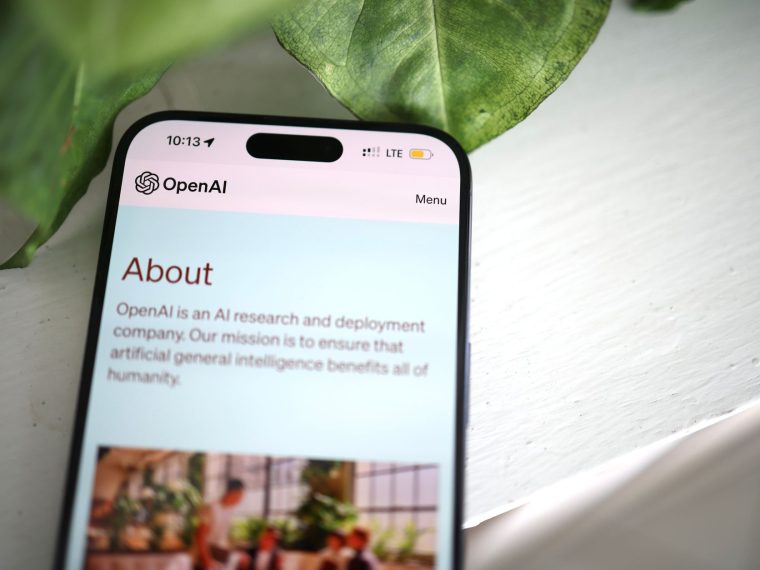
OpenAI models access has become a hot topic as Microsoft loses its exclusive rights. This shift in partnership dynamics raises questions about future collaborations and earnings.
What Led to the Partnership Reset?
The recent shift in the partnership between Microsoft and OpenAI has left many industry observers questioning the underlying reasons for this significant change. Microsoft, which previously enjoyed exclusive access to OpenAI models, is now facing a reset that could impact its business strategy. Several factors have contributed to this development.
- Competitive Pressure: As AI technology rapidly evolves, other tech giants are emerging, seeking their own partnerships and access to advanced models, diminishing Microsoft’s unique position.
- Financial Performance: Ahead of its Q3 earnings report, concerns about Microsoft’s financial health may have prompted re-evaluation of its strategic alliances.
- Regulatory Scrutiny: Increased regulatory focus on AI ethics and monopolistic practices may have influenced OpenAI’s decision to broaden access to its models.
- Strategic Independence: OpenAI’s desire to maintain a level of independence and foster broader innovation across the industry has likely played a crucial role.
As a result of these factors, the future of OpenAI models access for Microsoft remains uncertain.
Implications for Microsoft and OpenAI
The recent shift in the partnership between Microsoft and OpenAI has significant implications for both companies. With Microsoft losing its exclusive access to OpenAI models, it faces potential setbacks in its AI strategy and cloud offerings. This change could lead to increased competition in the AI landscape, as other tech companies may now gain access to powerful tools previously reserved for Microsoft.
Investors and stakeholders are closely monitoring how this development will affect Microsoft’s market position, especially as the company prepares for its upcoming Q3 earnings report. The loss of exclusive access to OpenAI models could impact Microsoft’s growth projections and innovation pipeline.
Furthermore, OpenAI might benefit from broader partnerships and collaborations, enhancing its influence in the industry. The implications extend beyond immediate financial concerns, prompting both companies to rethink their strategies in an evolving technological landscape.
As the partnership resets, the future of AI development and access will be pivotal for both Microsoft and OpenAI.
Future of AI Models in Business
The recent partnership reset between Microsoft and OpenAI raises significant questions about the future of AI models in business. As Microsoft loses exclusive access to OpenAI models, companies are left to navigate a rapidly changing landscape where AI technologies become increasingly democratized.
Several factors could influence the direction of AI integration within businesses:
- Increased Competition: With OpenAI models becoming more accessible, other tech giants may accelerate their AI development efforts, leading to a competitive market.
- Innovation in Applications: Businesses might explore diverse applications of AI, from customer service automation to advanced data analysis, leveraging the availability of these models.
- Regulatory Considerations: As AI technologies proliferate, companies must navigate the evolving regulatory landscape, ensuring compliance while embracing innovation.
In this shifting environment, the ability to access OpenAI models could become a game changer for businesses aiming to leverage AI for competitive advantage.
Market Reactions to the News
Market reactions to the news of Microsoft losing exclusive access to OpenAI models have been swift and varied. Investors have expressed concern over the implications this partnership reset may have on Microsoft’s competitive edge in the AI sector.
Shares of Microsoft dropped significantly in the wake of the announcement, reflecting apprehension about the potential loss of market share to competitors who may now gain broader access to OpenAI’s technology. Analysts are closely monitoring the situation, with many revising their forecasts for Microsoft’s upcoming Q3 earnings.
Meanwhile, OpenAI’s decision to allow more companies access to its models could lead to a surge in innovation across the tech industry. However, this also raises questions about whether Microsoft can maintain its position as a leader in AI development without exclusive access to these critical resources.
As the market digests these developments, the future of OpenAI models access will remain a focal point for investors and tech enthusiasts alike.
Expert Opinions on the Shift
Industry experts have weighed in on the recent shift in the partnership between Microsoft and OpenAI, emphasizing the significant implications of Microsoft losing exclusive access to OpenAI models. Dr. Emily Chen, an AI researcher, stated, “This reset marks a critical juncture for Microsoft, as exclusive access to OpenAI models was a key differentiator in their cloud offerings.”
Others, like Mark Thompson, a technology analyst, expressed concerns about how this change might destabilize Microsoft’s competitive edge in the market. “Without this exclusive access, Microsoft could struggle to maintain its lead against rivals who may now integrate these models into their own platforms,” he noted.
Furthermore, Linda Garcia, a business strategist, pointed out, “The shift in access to OpenAI models could lead to a broader democratization of AI tools, allowing smaller companies to innovate without the constraints of a major partnership.”
As the dust settles, stakeholders are keenly watching how both companies will navigate this new landscape.
OpenAI’s Strategy Moving Forward
As the partnership between Microsoft and OpenAI undergoes significant changes, the future of OpenAI models access remains a crucial topic for businesses and developers alike. OpenAI appears to be shifting its strategy towards a more open and collaborative model, allowing a broader range of users to access its advanced AI technologies.
This pivot could lead to several key developments:
- Increased Accessibility: By expanding access to its models, OpenAI may democratize AI technology, enabling smaller companies and startups to integrate sophisticated AI capabilities into their products.
- Enhanced Innovation: With more developers tapping into OpenAI’s resources, the potential for creative applications and novel solutions could increase dramatically.
- Competitive Landscape: Other tech giants may react by accelerating their own AI initiatives, reshaping the market dynamics and fostering a more competitive environment.
Ultimately, OpenAI’s strategy moving forward will likely focus on balancing commercialization with responsible AI use, ensuring that the benefits of its models reach a wider audience.
The recent developments regarding OpenAI models access have raised concerns about the future of collaboration between Microsoft and OpenAI. Many industry experts are questioning whether the current state of OpenAI models access will hinder innovation and growth in the tech sector.
Photo by Solen Feyissa on Pexels
Read the original
You might also like
AI Data Licensing Platform: Proven Benefits for Businesses · Dupery game release: The Best Proven Solo Deduction Game · Google Gemini 4 Model: The Best Coding Tool Tested