

 King
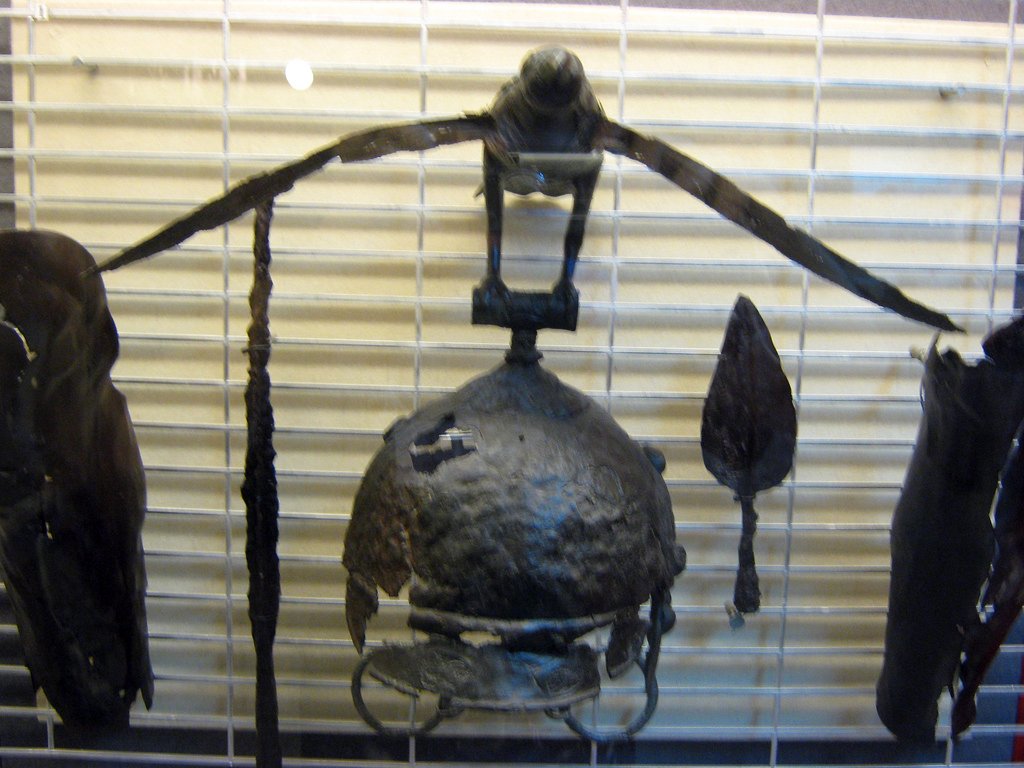
Celtic helmet discovery has captivated archaeologists after a rare find in northeastern Poland. This remarkable artifact provides insights into Iron Age culture far from its original homeland.
What is the significance of the Celtic helmet?
The discovery of the Celtic helmet holds significant archaeological and historical value, offering insights into the culture and craftsmanship of the Iron Age. Found in northeastern Poland, this rare artifact is notable not only for its craftsmanship but also for its unexpected location, far from the Celtic homeland.
Experts believe that the helmet may indicate trade routes or cultural exchanges between the Celts and other civilizations. The intricate designs and metalwork reflect the artistry of the period, showcasing the advanced skills of Celtic artisans. Such findings challenge previous assumptions about the geographical spread of Celtic influence.
The Celtic helmet can also provide clues about the social status of its owner, as helmets were often associated with warriors or individuals of high rank. This discovery adds a new layer to our understanding of the social hierarchies within ancient communities.
In addition, artifacts like this helmet help historians piece together the broader narrative of Iron Age Europe, revealing connections between various tribes and cultures. As further studies are conducted, the significance of the helmet will likely expand, uncovering more about the lives and beliefs of the people who once wore it.
Details about the Iron Age
The Iron Age, a pivotal era in European history, spanned from approximately 800 BC to the Roman conquest around 43 AD. During this time, various cultures flourished, including the Celts, known for their intricate metalwork and formidable warrior society.
In this context, the Celtic helmet discovery in northeastern Poland has sparked considerable interest among historians and archaeologists. The helmet, likely used in combat or ceremonial occasions, showcases the advanced craftsmanship of the Celts, who were renowned for their artistic skills and technological innovations.
Key aspects of the Iron Age include:
- Trade networks: The Celts engaged in extensive trade, exchanging goods like iron, pottery, and textiles across Europe.
- Social structure: Celtic society was organized into tribes, often led by chieftains, reflecting a complex social hierarchy.
- Religious practices: The Celts held a rich tapestry of beliefs, with a pantheon of gods and rituals centered around nature and ancestor worship.
As more artifacts like the Celtic helmet discovery emerge, they offer valuable insights into the daily life, warfare, and culture of this dynamic period, painting a clearer picture of our ancient past.
Where was the helmet found?
The recent discovery of a Celtic helmet has captivated archaeologists and historians alike. This remarkable find was made in northeastern Poland, an area not typically associated with Celtic artifacts. Found during a routine excavation, the helmet was unearthed in a burial site that dates back to the Iron Age, suggesting a complex interaction between different cultures in ancient Europe.
The location of the helmet’s discovery is significant for several reasons. Firstly, it challenges traditional views about the borders of Celtic influence, demonstrating that these ancient peoples expanded their reach further than previously understood. The presence of a Celtic helmet in Poland raises questions about trade, migration, and cultural exchange during the Iron Age.
Archaeologists believe that this rare find may offer insights into the social and military practices of the Celts. The helmet itself features intricate designs, indicative of skilled craftsmanship typical of Celtic metalwork. Furthermore, the burial context provides an opportunity to explore the beliefs and rituals associated with death in Celtic society.
As research continues, the Celtic helmet discovery promises to unveil more ancient secrets, shedding light on the interactions between Celts and their neighbors, enriching our understanding of European prehistory.
Cultural implications of the discovery
The recent discovery of the Celtic helmet has sparked significant interest among historians and archaeologists, shedding new light on the cultural exchange during the Iron Age. This rare find not only highlights the craftsmanship of ancient Celtic artisans but also raises questions about the movements and interactions of different tribes across Europe.
Experts believe that the helmet’s intricate design and materials suggest a blend of local and external influences, indicating that trade routes were active and that ideas flowed freely among communities. The presence of such an artifact in northeastern Poland, far from its traditional Celtic homeland, points to a more complex network of connections than previously understood.
- Cultural Exchange: The helmet exemplifies how artifacts can cross geographical boundaries, leading to a fusion of styles and techniques.
- Tribal Interactions: This find may suggest that Celtic tribes were not isolated but rather engaged in diplomacy and trade with neighboring cultures.
- Historical Narratives: The implications of the Celtic helmet discovery could challenge existing narratives about Iron Age societies and their level of sophistication.
As researchers continue to analyze the helmet, it may unlock further secrets of ancient Celtic life, enriching our understanding of their legacy in Europe.
Expert opinions on the find
Experts in archaeology and ancient history have expressed their excitement over the recent Celtic helmet discovery in northeastern Poland. Dr. Helena Kowalska, a leading archaeologist in Iron Age studies, stated, “This find not only showcases the craftsmanship of the Celts but also raises questions about their trade routes and cultural exchanges.”
Another notable opinion comes from Professor Richard Lewis, who emphasized the rarity of such artifacts. “Celtic helmets typically remain within their geographic context, so finding one so far from its homeland is unprecedented. It suggests that the Celts may have had a broader influence and reach than previously thought,” he remarked.
Additionally, Dr. Anna Jankowska, a historian specializing in ancient warfare, pointed out the significance of the helmet’s design. “The intricate patterns and motifs can provide invaluable insights into the symbolism and beliefs of the Iron Age Celts,” she noted. “This discovery has the potential to unlock new understanding of their society.”
As experts continue to analyze the Celtic helmet discovery, they anticipate that ongoing research will further illuminate the complexities of Celtic life and their interactions with neighboring cultures.
Future research directions
As researchers continue to analyze the Celtic helmet discovery, several future research directions have emerged that may shed light on the broader implications of this remarkable find. First and foremost, scientists intend to conduct advanced imaging techniques to uncover any hidden inscriptions or decorations that may provide insight into the artistry and craftsmanship of the period.
Additionally, archaeologists plan to explore the surrounding area more extensively to determine if more artifacts from the same era can be unearthed. This could help contextualize the Celtic helmet within a larger settlement or burial site, offering a clearer picture of Iron Age life.
Another crucial area of research will focus on material analysis. By studying the composition of the metal used in the helmet, experts hope to trace its origins and understand trade routes during the Iron Age. This could unveil connections between different Celtic tribes and their interactions.
Moreover, researchers are keen to examine the cultural significance of the helmet within the context of its geographical location. Understanding why it was found so far from its homeland may reveal new insights into migration patterns and the spread of Celtic culture.
Overall, the Celtic helmet discovery opens up a multitude of avenues for exploration, promising to enrich our understanding of ancient societies.
The Celtic helmet discovery has shed light on the intricate craftsmanship of ancient warriors. Experts believe this rare find could change our understanding of Celtic culture and its military practices.
By Cristian Peter Marinescu-Ivan from Ploiesti, Prahova, România via Openverse