
 King
King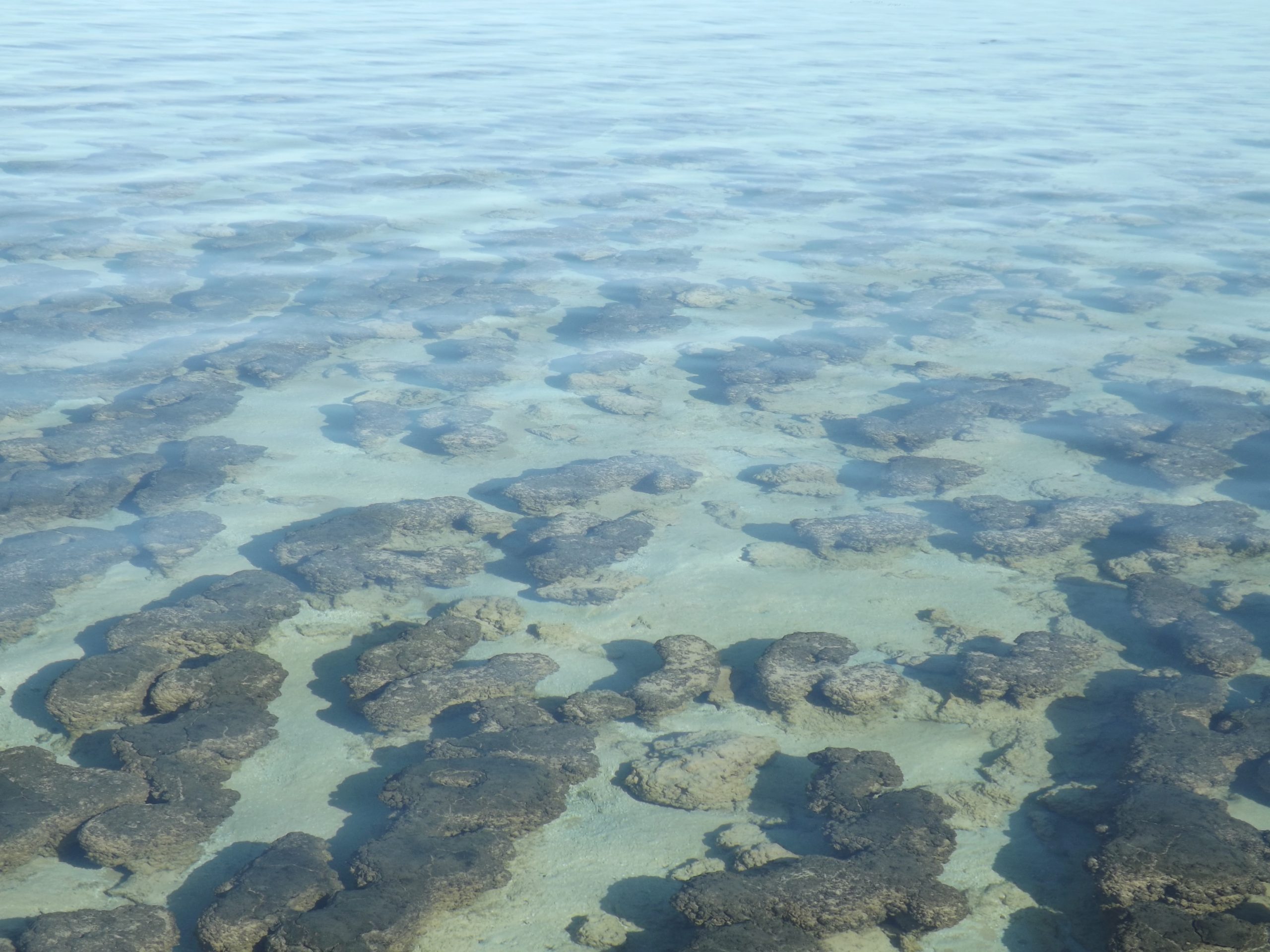
The oldest thing on Earth is a massive 4.4 billion years old, and it offers incredible insights into our planet’s history. This ancient relic holds secrets that scientists are eager to uncover.
What is the oldest thing on Earth?
The oldest thing on Earth is a zircon crystal discovered in Western Australia, dating back an astonishing 4.4 billion years. This ancient relic, part of the Jack Hills region, offers invaluable insights into the early history of our planet. The zircon crystal is not only a geological treasure but also a key to understanding the conditions that existed on Earth shortly after its formation.
Scientists have conducted extensive research on this remarkable specimen, revealing that it formed in a cooling magma environment. The age of the zircon has been confirmed through advanced dating techniques, making it the oldest known material on the planet. This discovery has profound implications for our understanding of Earth’s crust and the history of water on our planet.
The zircon crystal is believed to have originated during a time when the planet was still undergoing significant changes. Its presence suggests that there may have been continental crust and perhaps even liquid water on the surface much earlier than previously thought. Researchers continue to study this ancient crystal to uncover more secrets about the conditions that existed when the Earth was in its infancy.
Discovering ancient relics
Discovering ancient relics has always captivated scientists and historians alike, as each finding offers a glimpse into the distant past. Among these remarkable relics, the oldest thing on Earth, a 4.4 billion-year-old zircon crystal, has emerged as a significant focal point for researchers. This tiny mineral, discovered in Australia, holds secrets that could unravel the mysteries of our planet’s early history.
Scientists have employed various methods to study this ancient zircon, revealing details about the conditions that existed on Earth over four billion years ago. The research indicates that water may have been present on the planet’s surface much earlier than previously thought, fostering the development of life.
In addition to its age, the zircon crystal has provided insight into the geological processes that shaped the Earth. Researchers have outlined several key aspects of its significance:
- Formation Conditions: Understanding the environment in which it formed.
- Age Dating: Contributing to methods of dating other geological samples.
- Life’s Origins: Offering clues about the emergence of life on Earth.
These discoveries highlight the importance of this ancient relic in piecing together our planet’s history.
The significance of 4.4 billion years
The significance of 4.4 billion years cannot be overstated when discussing the oldest thing on Earth. This ancient relic provides a crucial window into the early history of our planet and the formation of its crust. By studying this remarkable specimen, scientists have gained invaluable insights into the conditions that prevailed during the dawn of Earth.
One of the most fascinating aspects of this 4.4 billion year old relic is its ability to reveal information about the environment in which it formed. Researchers have discovered that the conditions of early Earth were vastly different from what we experience today. The presence of specific minerals and isotopes within the relic offers clues about the planet’s atmosphere and the potential for life during its formative years.
Moreover, this discovery challenges long-held assumptions about the age of Earth’s crust and the processes that shaped it. The implications of finding the oldest thing on Earth extend beyond mere curiosity; they may also influence how we understand planetary formation in other solar systems.
In summary, the 4.4 billion year old relic not only represents a significant geological milestone but also serves as a key to unlocking the mysteries of our planet’s early existence.
How scientists study Earth’s history
Scientists employ various techniques to study Earth’s history, with a particular focus on the oldest thing on Earth. These methods allow researchers to unravel the complex timeline of our planet’s formation and evolution.
One primary technique is radiometric dating, which measures the decay of radioactive isotopes in rocks and minerals. This method provides critical insights into the age of Earth’s oldest relics, helping to establish a chronological framework for geological events.
Additionally, stratigraphy is used to analyze sedimentary layers, allowing scientists to interpret the geological history recorded in the Earth’s crust. This technique reveals how different layers of rock formed over time and provides context for the ancient materials discovered.
Furthermore, geochemical analysis enables researchers to study the composition of ancient minerals, shedding light on the environmental conditions that existed billions of years ago. By examining isotopic ratios and elemental concentrations, scientists can make inferences about the Earth’s early atmosphere and surface.
- Radiometric dating
- Stratigraphy
- Geochemical analysis
Collectively, these methodologies enhance our understanding of the oldest thing on Earth and its significance in the broader narrative of our planet’s history.
The impact of ancient discoveries
Discovering the oldest thing on Earth has profound implications for our understanding of planetary history and the evolution of life. Each ancient relic unearthed provides a unique glimpse into a time long before human existence, challenging our perceptions of Earth’s timeline.
One of the most significant impacts of these discoveries is the insight they offer into the conditions that shaped our planet. Scientists have uncovered evidence that contributes to our knowledge about early atmospheric composition, geological processes, and even the origins of water. This information is crucial for understanding not only our own planet but also the potential for life on other celestial bodies.
Moreover, the study of ancient materials often leads to technological advancements. For instance, methods developed to analyze these relics can be applied in various fields, including archaeology, geology, and even space exploration. Additionally, these findings foster a greater appreciation for the resilience of life, as they reveal how organisms adapted to extreme environments billions of years ago.
In essence, the impact of ancient discoveries extends beyond mere facts; they reshape our worldview and inspire future generations of scientists and explorers.
Exploring geological timelines
Understanding the geological timelines of our planet is essential to grasp the significance of the oldest thing on Earth. The Earth itself has undergone a myriad of transformations over billions of years, shaping its current surface and internal structure. Scientists utilize various methods to unravel these timelines, including:
- Radiometric dating: This technique measures the decay of radioactive isotopes to determine the age of rocks and minerals.
- Stratigraphy: By studying layered rock formations, researchers can construct a chronological sequence of events that have occurred over time.
- Paleomagnetism: This involves examining the magnetic properties of rocks to understand shifts in Earth’s magnetic field and tectonic movements.
As experts delve into the Earth’s ancient past, they uncover clues about conditions that existed over 4.4 billion years ago, providing insights into the formation of the oldest thing on Earth. Each discovery adds depth to our understanding of geological processes and the evolution of life itself. The intricate interplay between time and geological activity reveals not only the age of our planet but also the complex history that has led to its current state.
Future research on ancient Earth
Future research on ancient Earth is poised to uncover even more about the oldest thing on Earth, a 4.4 billion-year-old zircon crystal found in Australia. Scientists believe that ongoing studies will not only deepen our understanding of Earth’s early conditions but also shed light on the processes that shaped our planet.
Researchers are currently employing advanced technologies, such as mass spectrometry and electron microscopy, to analyze the mineral composition of ancient zircons. This analysis could reveal information about the environment in which they formed and the geological events that followed.
Additionally, interdisciplinary collaboration is becoming increasingly important. Geologists, chemists, and planetary scientists are working together to piece together the timeline of Earth’s formation and the evolution of its crust. Such collaboration will help identify key milestones in Earth’s history, providing insights into how life could potentially evolve on other planets.
As these studies progress, the implications of our findings may extend beyond Earth. Understanding the oldest thing on Earth could inform theories about planetary development in the universe, expanding our knowledge of how similar processes may occur elsewhere.
The study of the oldest thing on Earth has revealed insights into the conditions that existed on our planet over four billion years ago. Scientists believe that understanding this oldest thing on Earth can help us unlock the mysteries of early life and planetary formation.
By Summerpuss via Openverse
Where this came from
You might also like
Seattle dinosaurs news: The shocking fate revealed! · Account Structures and Trading Technology: A Detailed Look at IronFX · TypeSafe AI model: The Right Path to Proven Alternatives